English| EUR
Suggested for you
More currencies
Choose a language
The distance from Zagreb to Lake Bled determines whether your visit becomes a daytrip or requires overnight planning. The 140-kilometer journey crosses an international border and climbs from the Croatian capital into Slovenia's Julian Alps. Understanding the route logistics helps you allocate the right amount of time and avoid miscalculating arrival windows.
Quick answer
The distance from Zagreb to Lake Bled is 140 kilometers (87 miles) by road, typically requiring 1 hour 45 minutes to 2 hours 15 minutes of driving time. The route follows the A2 motorway north through Croatia, crosses the Slovene border near Macelj, then continues via the A2/E61 and regional roads to Bled. Border-crossing queues during peak summer weekends and holiday periods can add 15 to 45 minutes to the total journey time.
The 140-kilometer corridor between Zagreb and Lake Bled compresses two countries, three highway segments, and nearly 500 meters of elevation gain into a route short enough for spontaneous daytrips yet complex enough to demand advance planning. The drive begins on Zagreb's northern A2 artery, a tolled motorway built to EU standards that carries traffic toward the Slovenian frontier at Macelj. Croatia's highway vignette system ended in 2023, replaced by a per-kilometer electronic toll that calculates automatically at exit gates—rental cars typically include transponders, but drivers in private vehicles must verify their license plates are registered in the toll system before departure to avoid fines at the border. The Macelj crossing point operates under Schengen rules, meaning passport checks were abolished for EU and associated-state citizens in 2023, though Slovenian police retain the authority to conduct spot identity verifications. Non-EU travelers still present documents at the checkpoint. Summer weekends between mid-June and early September see the heaviest queues, particularly Friday afternoons outbound from Zagreb and Sunday evenings returning south. The Slovenian A2 motorway continues north from the border toward Ljubljana, requiring a vignette purchased at the crossing or via the e-vinjeta online portal—7-day digital vignettes cost 16 EUR as of 2026, and cameras enforce compliance with fines starting at 150 EUR. Past Kranj, the motorway gives way to Route 210, a two-lane regional road that winds through Radovljica and approaches Bled from the east. This final 15-kilometer stretch narrows considerably, and tour coaches share the pavement with local traffic, cyclists ascending toward Pokljuka Plateau, and delivery vehicles servicing Bled's hotels. The route climbs steadily—Zagreb sits at 120 meters above sea level, while Lake Bled rests at 475 meters—and the gradient becomes perceptible after Lesce. Drivers accustomed to flat motorway cruising must adjust to tighter curves, slower-moving agricultural vehicles, and the absence of overtaking lanes. The Zagreb-Bled corridor has evolved into a well-trafficked international tourism route since Slovenia joined the Eurozone in 2007 and Schengen in 2008, erasing the customs delays that once made the crossing unpredictable. Modern GPS routing and real-time border-wait apps provide live queue estimates, but the fundamental variables remain distance, elevation, and cross-border coordination. Travelers who understand these mechanics arrive at Bled's eastern shore with realistic schedules and sufficient daylight to explore the lake perimeter, ascend to the clifftop castle, or arrange a pletna boat transfer to the island church.
“The 140-kilometer corridor compresses two countries, three highway segments, and nearly 500 meters of elevation gain into a route short enough for spontaneous daytrips yet complex enough to demand advance planning.”
Lake Bled is located approximately 200 kilometers from Zagreb. The most direct route typically involves traveling via Ljubljana using the A2 motorway.
A2 motorway from Zagreb to Ljubljana, then A2 to Bled
Direct bus or bus via Ljubljana Bus Station (Avtobusna postaja Ljubljana)
Train from Zagreb Glavni Kolodvor to Ljubljana, connecting to Bled Jezero
For those driving, aim to arrive between 08:00 and 10:00 to avoid peak afternoon crowds and secure parking in high season.
This plan suits day-trippers departing Zagreb early, accounting for 2.5–3 hours of travel each way. It delivers a focused lake visit with room for one additional sight before your return journey.
Leave early to reach Bled by mid-morning, maximizing your time at the lake before afternoon crowds build.
Start with the 6 km lakeside path—budget 90 minutes for a leisurely circuit with photo stops at Ojstrica viewpoint.
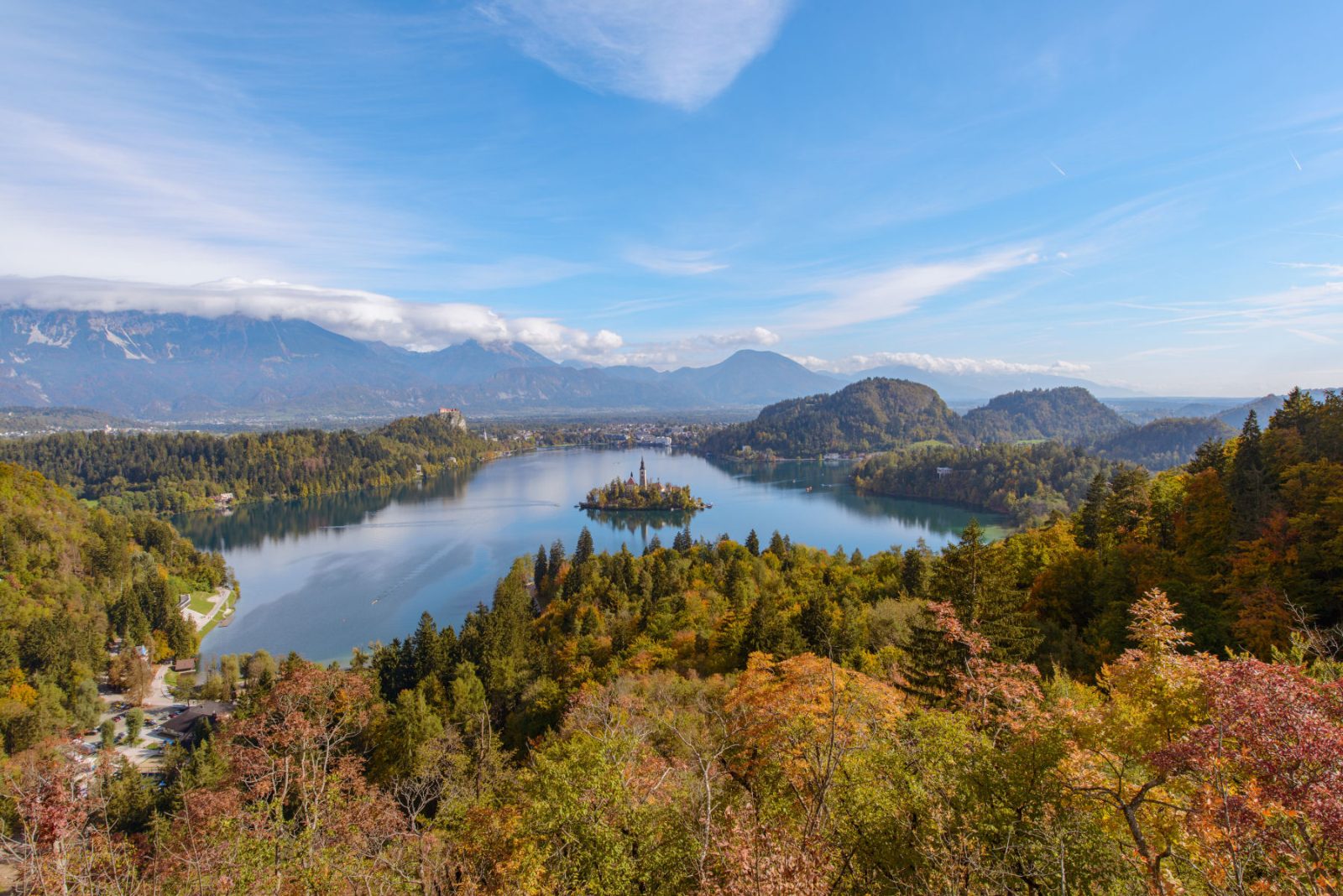
Cross to Bled Island; the traditional wooden boat takes 20 minutes each way, plus 30–40 minutes to explore the church and ring the wishing bell.
Pick a lakeside café for local trout or cream cake; most spots offer quick service within 45 minutes.
Climb to the clifftop castle for lake views and the small museum—allow 60–75 minutes including the ascent.
Pause at the western shore or Mala Osojnica trail base for last shots before your departure window.
Factor 2.5–3 hours back, arriving in Zagreb by early evening.
Access to the Lake Bled area is open to the public at no cost. Visitors choosing to enter specific managed attractions within the vicinity, such as the castle, will encounter separate entry requirements.
Verdict: The lake area is free to enter, while the total cost of your visit depends entirely on which specific attractions or monuments you choose to enter.
Lake Bled is a natural landmark accessible to visitors at all hours throughout the week. The area remains open daily, allowing flexible access for those traveling from Zagreb.
Everything you need to know about distance from zagreb to lake bled
The distance from Zagreb to Lake Bled is approximately 195 kilometers via the A2 motorway. This scenic drive typically takes about two to two and a half hours, depending on border crossing times and traffic conditions.
Traveling from Zagreb to this iconic glacial lake region usually requires around 120 to 150 minutes by car. The journey connects the Croatian capital through the heart of Slovenia, making a Zagreb to Lake Bled excursion quite common for travelers.
Yes, many visitors successfully manage a day trip when considering the distance from Zagreb to Lake Bled and starting early. Planning your departure to ensure arrival during the optimal morning window allows for a productive visit before returning in the evening.
The best arrival window is 08:00–10:00. Arriving during this period helps you secure parking in high season and enjoy the lakeside trails before the peak afternoon crowds arrive.
There is 0 EUR entrance fee for the general lake area. While you can walk around the lake for free, specific attractions located nearby, such as the castle, do charge their own individual fees.
The lake area is accessible 24 hours a day, with opening hours listed as Monday through Sunday, 00:00–23:59. This flexibility allows for sunrise or late evening strolls around the Julian Alps landmark.
While the total distance from Zagreb to Lake Bled is manageable by car, many travelers stop in Ljubljana for a break. Located roughly midway, the capital serves as a perfect hub to transition toward the mountains and the famous island church.